
The Suppression of Monastic Houses
Wolf HallThis thread traces the changing purpose of Wolsey’s monastic reforms and Cromwell’s later use of visitation as a tool of royal power.
increasing Bearing strength in each event
 decreasing
Bearing strength in each eventdecreasingWolsey’s College Plan

Reform and Revenue
A stated purpose
Wolsey suppresses small, poorly run religious houses and transfers their income toward schools and colleges. He presents the plan as a reform of neglect and a public investment in learning.
A contested redistribution
Landowners and courtiers resent being excluded from the proceeds. The reform’s educational purpose cannot prevent the political impression that church property has become a prize.
Cromwell Learns the Houses

Networks and Information
A national survey begins
Cromwell gathers reports from monks, reformers, and local contacts. He learns which houses are wealthy, badly managed, politically reliable, or resistant to the king.
Reform becomes leverage
Knowledge once used to improve institutions becomes useful to a government seeking control over church property. The boundary between correction and confiscation grows harder to maintain.
The Deputy in Spirituals
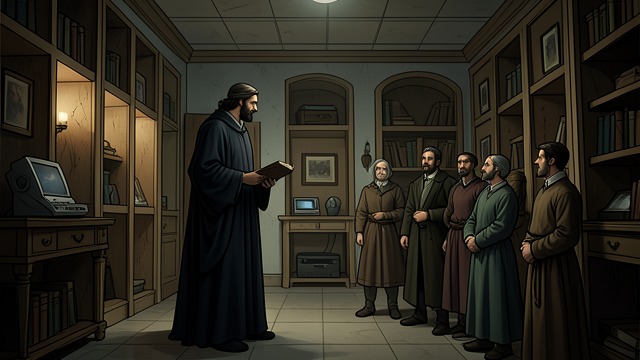
Visitation with Authority
A new office
Henry appoints Cromwell Vicegerent in Spirituals, giving him power to visit, inspect, and reform religious houses. Cromwell promises a rapid assessment of ecclesiastical wealth.
A changed purpose
The work extends royal authority into institutions that once answered beyond the kingdom. Financial accounting becomes part of a wider transfer of jurisdiction and property.
1524–1529
1530–1533
1535
